A wine cooler is a serious investment, and when it starts acting up, the last thing you want is your collection at risk. From temperature swings to compressor failures, wine cooler repair problems can range from minor fixes to major service calls. At Krupo Appliance Repair, we work on premium units every day, and this guide breaks down the most common issues homeowners face, plus what to do when things go wrong.
Key Takeaways
- Temperature instability is the #1 wine cooler complaint, usually caused by a dirty condenser or a failing thermostat.
- Vibration and noise often point to compressor issues that worsen over time without repair.
- A wine cooler running too warm or too cold can damage your wine collection within days.
- Most wine cooler problems require a certified technician, not a general handyman.
- Routine maintenance every 6 to 12 months helps prevent most common failures.
Why Wine Cooler Problems Deserve Immediate Attention
Wine is sensitive. Even a few degrees of temperature variation can alter the flavor profile of a bottle over time. A Wine refrigerator is designed to maintain the ideal storage range for most wines, which sits between 45°F and 65°F. When your Wine Refrigerator drifts outside that range, you are not just dealing with an appliance problem, you are dealing with a preservation problem.
The good news? Most wine cooler repair problems have identifiable causes. Knowing what to look for puts you ahead of the issue before it becomes expensive.
The Most Common Wine Cooler Repair Problems
1. Temperature Inconsistency
This is, by far, the complaint we hear most. Your wine cooler is set to 55°F, but the internal temp keeps climbing to 62°F or dropping to 48°F. Causes typically include:
- A dirty or clogged condenser coil
- A malfunctioning thermostat
- Worn or cracked door gaskets allowing warm air inside
- A faulty evaporator fan
The condenser coil issue is the most fixable, regular cleaning solves it. But if the thermostat or evaporator fan is the root cause, you need a professional diagnosis.
2. Wine Cooler Not Cooling at All
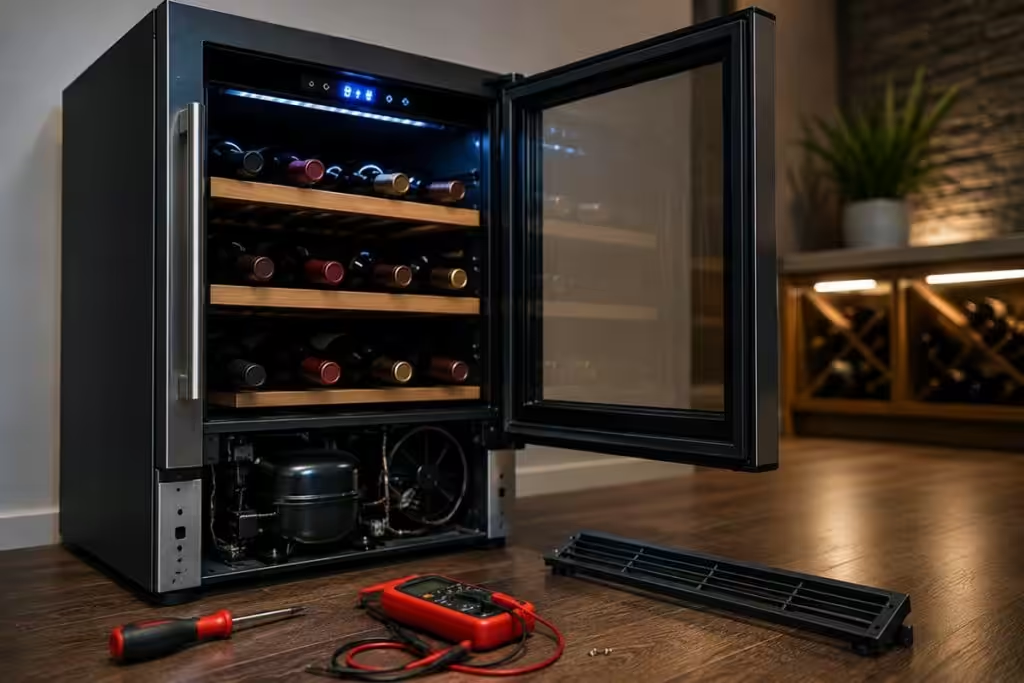
If your cooler is running but not actually cooling, the compressor may be failing. Compressor issues in high-end units like Sub-Zero wine refrigerators are more common than people realize and should only be addressed by a factory-certified technician.
Other culprits behind a warm unit include a refrigerant leak or a failed start relay. Both require professional-grade tools to diagnose and fix.
3. Excessive Noise or Vibration
Wine coolers should operate quietly. If yours starts buzzing, rattling, or humming loudly, it is worth paying attention. Noise sources commonly include:
- A loose or failing compressor
- A worn evaporator fan motor
- Vibration from an uneven or unstable surface
- Refrigerant moving unevenly through the system
Persistent vibration is a concern beyond just noise, it can disturb sediment in aged wines. Vibration and temperature stability are two of the key factors affecting wine quality in long-term storage.
4. Ice or Frost Buildup Inside the Unit
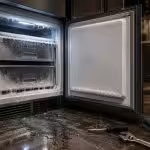
Frost buildup usually means one thing: warm, moist air is getting in. This points back to a damaged door seal or a defrost system that is no longer working properly.
Left unaddressed, frost buildup restricts airflow inside the cabinet, which forces the compressor to work harder, ultimately shortening its lifespan.
5. Water Leaking from the Unit
A wine cooler leaking water is typically caused by a blocked drain line or condensation from a compromised door seal. You may notice pooling water under or beside the unit.
6. Control Panel or Display Not Responding
Modern wine coolers feature electronic control panels. When these fail, you lose the ability to set or monitor temperature accurately. Control board failures are often caused by power surges, moisture infiltration, or simply age.
Electronics-related failures are among the leading causes of appliance breakdowns in premium units, making certified repair more important than ever.
7. Strange Odors Inside the Cooler
If you open your wine cooler and notice a musty or stale odor, it may indicate mold growth from excess moisture, or it could signal that the drain system is clogged. A thorough interior cleaning and drain inspection usually resolves this. Practical steps you can take to keep your unit fresh.
Thermoelectric vs. Compressor Wine Coolers: Does It Matter for Repairs?
Yes, it matters quite a bit. There are two main types of wine coolers:
- Thermoelectric Coolers: Thermoelectric cooler is quieter and vibration-free, but less effective in warm rooms. They rely on a Peltier module, which can fail and is less straightforward to replace.
- Compressor-Based Coolers: More powerful and suitable for year-round use, but they have more mechanical components that can wear out.
Compressor-based wine coolers are significantly more energy-efficient for long-term storage compared to thermoelectric models, but they also come with more components that can require professional service.
When Should You Call a Professional?
Not every wine cooler issue calls for a service visit immediately. Here is a simple way to think about it:
- DIY-Appropriate: Cleaning condenser coils, wiping door seals, checking that the unit is level
- Call a Technician: Compressor issues, refrigerant leaks, control board failures, persistent temperature problems
Having high-value appliances serviced by certified technicians to preserve manufacturer warranties and avoid voiding coverage through improper repairs.
For homeowners in Santa Barbara and Los Angeles, our certified team provide refrigerator repair services and handles everything from minor diagnostics to sealed system rebuilds.
Maintenance Tips to Prevent Wine Cooler Repair Problems
Prevention is always more cost-effective than repair. Here are the habits that keep wine coolers running at their best:
- Clean the condenser coils every 6 months, dust and debris force the compressor to work harder.
- Inspect door gaskets regularly for cracks or gaps. A simple dollar-bill test works: close the door on a bill; if you can pull it out easily, the seal is failing.
- Avoid overfilling the unit, adequate airflow between bottles is essential for even cooling.
- Keep the cooler away from heat sources like ovens or direct sunlight.
- Schedule annual professional service to catch developing issues before they escalate.
Proper appliance maintenance is one of the most effective ways to reduce household energy consumption and avoid premature replacements.
How Much Does Wine Cooler Repair Cost?
Repair costs vary based on the issue and the brand. Here are typical ranges for the types of problems covered in this article:
- Door Gasket Replacement: $100 – $250
- Thermostat or Sensor Replacement: $150 – $350
- Evaporator Fan Motor: $200 – $400
- Compressor Replacement: $400 – $900+
- Control Board Replacement: $300 – $600
Keep in mind that luxury units from brands like Sub-Zero command higher part costs, but appliances longevity makes repair almost always more sensible than replacement.
Conclusion
Wine cooler repair problems rarely fix themselves. Whether it is a temperature swing, a strange noise, or a complete cooling failure, acting early protects your wine collection and extends the life of your appliance. If your unit is showing any of the signs covered here, reach out to us. Our certified technicians are ready to diagnose and fix the issue. quickly, professionally, and with genuine OEM parts.
FAQs:
Temperature inconsistency is the most common issue, usually caused by dirty condenser coils or a faulty thermostat.
Minor tasks like coil cleaning are DIY-friendly. Compressor or refrigerant issues always require a certified technician.
A well-maintained wine cooler typically lasts 10 to 15 years. Premium brands like Sub-Zero can last even longer with proper servicing.
This is usually caused by a failing compressor, a refrigerant leak, or a faulty start relay, all of which require professional diagnosis.
Professional service every 6 to 12 months is ideal. Condenser coil cleaning should be performed at least every 6 months.
Yes. Krupo Appliance Repair services Sub-Zero wine refrigerators and other luxury wine cooler brands in the Los Angeles and Santa Barbara areas.