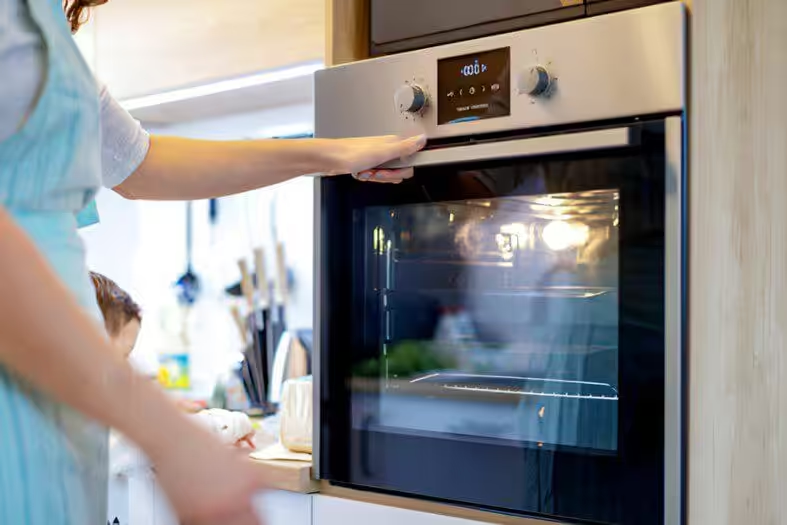
An oven is one of the most heavily used appliances in any home, and its lifespan depends largely on how it is maintained over time. Regular care, correct usage, and early attention to minor issues can significantly reduce breakdowns and costly repairs. At Krupo Appliance Repair, we help homeowners protect their appliances by addressing problems early and promoting practical maintenance habits that keep ovens operating safely and efficiently for years.
Key Takeaways
- Regular cleaning protects internal components
- Gentle use prevents door and seal damage
- Correct cookware reduces heat stress
- Maintenance catches problems early
- Professional repair extends appliance life
Why Oven Longevity Matters More Than You Think?
Modern ovens are designed to last, but daily use, heat stress, and neglect can shorten their working life and lead to common oven problems over time. Replacing an oven is expensive and often avoidable. Extending its lifespan saves money, improves cooking consistency, and reduces unexpected downtime in the kitchen. Well-maintained ovens also operate more efficiently, supporting essential kitchen safety by reducing the risk of overheating, electrical faults, and gas-related issues.
Additional benefits of improving oven longevity include:
- Lower repair and replacement costs
- More accurate temperature control during cooking
- Reduced strain on gas or electrical components
- Improved household safety and reliability
Whether you have a gas or electric oven, the following six proven strategies will help keep it performing efficiently for years to come.
1. Clean Your Oven Regularly
One of the simplest and most effective ways to prolong your oven’s life is to keep it clean. Built-up grease and food spills can affect cooking performance and even pose a fire hazard over time.
Tips for cleaning your oven include:
- Wipe up spills immediately after the oven cools to prevent them from hardening.
- Use manufacturer-approved oven cleaners or natural solutions like baking soda and vinegar.
- Remove and clean racks separately to avoid residue build-up.
- For self-cleaning ovens, follow the instructions carefully and avoid frequent use, as the high heat can stress components.
Regular cleaning ensures your oven runs efficiently and reduces wear on heating elements.
2. Avoid Overloading the Oven
Overloading your oven can put extra stress on heating elements and airflow systems, potentially shortening its lifespan. Proper air circulation is essential for even cooking and maintaining the appliance’s performance.
Guidelines for proper loading:
- Avoid stacking multiple pans on top of each other, which can block airflow.
- Use oven-safe trays and racks recommended by the manufacturer.
- Give sufficient space around dishes to allow heat to circulate evenly.
By respecting your oven’s capacity, you reduce strain on components and prevent uneven cooking or overheating.
3. Preheat Only When Necessary
While preheating is essential for some recipes, doing it unnecessarily can cause extra wear on your oven’s heating elements.
Tips for efficient preheating:
- Preheat only for recipes that specifically require it, like baked goods.
- Use an oven thermometer to avoid over-preheating and maintain accurate temperatures.
- For dishes with long cooking times, consider skipping preheating if the recipe allows.
Reducing unnecessary preheating can lower energy consumption and minimize wear and tear over time.
4. Check and Replace Door Seals
The door seal (or gasket) is a small but critical component of your oven. If it’s worn or damaged, heat escapes, forcing the oven to work harder to maintain temperature.
Maintenance tips include:
- Inspect the seal regularly for cracks, tears, or gaps.
- Clean the gasket gently with a damp cloth to remove grease and residue.
- Replace the gasket promptly if it shows signs of damage.
A healthy seal ensures proper temperature regulation, improves cooking efficiency, and reduces strain on your oven.
5. Use the Oven Correctly
How you use your oven directly affects its longevity. Misuse, such as using the wrong cookware or leaving the door open frequently, can cause unnecessary wear.
Best practices include:
- Avoid placing aluminum foil on the oven floor, which can trap heat and damage the element.
- Use oven mitts and avoid slamming the door to protect hinges and seals.
- Rotate trays carefully instead of moving racks while the oven is hot.
- Follow manufacturer guidelines for maximum temperatures and cooking methods.
Proper usage prevents mechanical failures and helps your oven maintain optimal performance for years.
6. Schedule Professional Maintenance
Even with regular cleaning and careful use, periodic professional maintenance can catch issues before they become major problems.
Professional maintenance tips:
- Have a certified technician inspect the oven annually or as recommended.
- Check electrical connections, gas lines (for gas ovens), and heating elements.
- Replace worn-out parts such as thermostats, heating coils, or igniters.
- Ensure all safety features, like automatic shut-offs, are functioning properly.
Professional check-ups can prevent costly repairs, improve efficiency, and extend the oven’s operational lifespan.
Bonus Tips to Extend Oven Life
In addition to the six main strategies, these extra tips can help your oven last even longer:
- Keep the surrounding area clean and free of dust or debris.
- Avoid using the oven as a storage space for pans or baking sheets.
- Use cookware that distributes heat evenly to prevent hotspots and uneven strain.
- Pay attention to unusual noises or smells, which may indicate early mechanical issues.
How Professional Repair Extends Oven Lifespan?
Certified technicians use manufacturer-approved methods and parts to restore proper function. DIY fixes often cause secondary damage.
Krupo Appliance Repair specializes in:
- Residential oven repair
- Heating element replacement
- Thermostat and sensor diagnostics
- Electrical and control board service
When Replacement Becomes Necessary?
Even with care, ovens do not last forever. Most residential ovens last 10–15 years with proper maintenance.
Factors that influence replacement decisions include:
- Frequency of repairs
- Energy efficiency decline
- Fire and electrical safety concerns
- Availability of replacement parts
A professional assessment helps determine whether repair or replacement is the better option.
Conclusion
An oven’s lifespan is not determined by age alone. It is shaped by daily habits, maintenance choices, and timely professional support. Consistent care keeps performance stable and prevents avoidable failures. If your oven is showing signs of wear or needs professional attention, contact us today to keep your appliance running safely and reliably.
FAQs:
How long should a home oven last?
Most ovens last between 10 and 15 years with proper maintenance and timely repairs.
Is the self-cleaning feature safe to use often?
Occasional use is safe, but frequent self-cleaning can stress internal components.
What causes uneven oven heating?
Common causes include faulty heating elements, damaged door seals, or sensor issues.
Can poor ventilation damage an oven?
Yes. Blocked vents can cause overheating and shorten component lifespan.
Should I repair or replace an old oven?
A technician can evaluate repair costs versus replacement value to guide the decision.
How often should an oven be serviced?
Professional inspections every one to two years help extend appliance life.