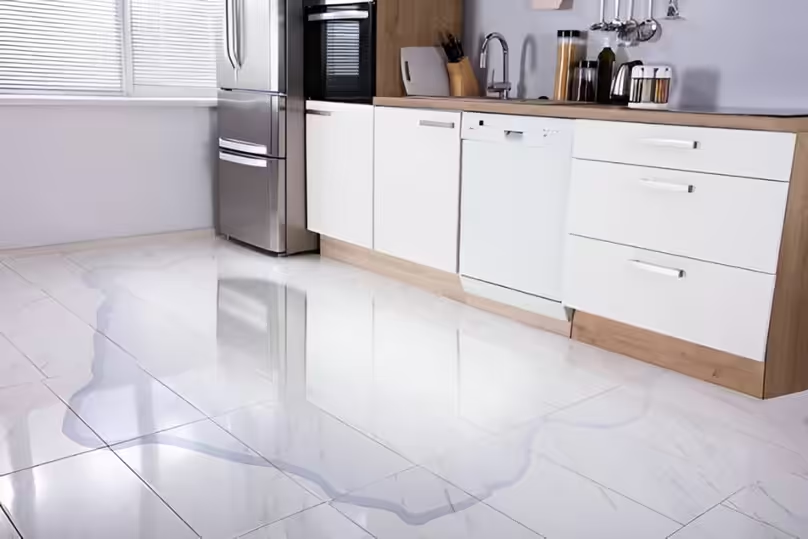
Water around a premium refrigerator is more than a minor nuisance. It often signals a mechanical or drainage issue that should not be ignored. Many homeowners assume expensive appliances never fail, yet even luxury refrigerators can develop leaks due to clogged defrost drains, worn seals, or faulty components. At Krupo Appliance Repair, technicians frequently diagnose water leakage in high-end refrigeration systems across residential kitchens. Understanding why leaks occur helps prevent structural damage, mold growth, and food-safety risks while protecting your investment in premium appliances.
Key Takeaways
- Clogged defrost drains are one of the most common causes of leaks
- Damaged door seals allow condensation to build up inside the appliance
- Blocked or frozen water lines may force water to pool beneath the refrigerator
- Professional repair prevents costly damage to floors and cabinetry
Why Premium Refrigerators Still Develop Leaks
Luxury refrigerators are engineered with sophisticated cooling systems, humidity controls, and filtration components. Despite these advanced features, several internal mechanisms can create water accumulation if they malfunction.
Water leaks rarely appear suddenly without reason. In most cases, they originate from one of the appliance’s internal drainage or circulation systems.
Modern refrigerators are designed to regulate humidity and condensation efficiently, yet blocked airflow or clogged drains can disrupt that balance.
When this occurs, water begins to collect beneath drawers or beneath the appliance itself.
Common Causes of Refrigerator Leaks
Water leaking from a high-end refrigerator can be frustrating and concerning. In some cases, it may create puddles on the kitchen floor, cause water to collect inside drawers, or drip from the ice maker area. Understanding the most common causes of refrigerator leaks can help you identify the issue quickly and prevent more expensive repairs.
Below are several reasons why your high-end refrigerator may be leaking and what you should look for when troubleshooting the problem.
1. A Clogged Defrost Drain
One of the most common reasons for refrigerator leaks is a clogged defrost drain. Modern refrigerators automatically defrost themselves to prevent ice buildup. During this process, melted frost flows through a drain hole and into a drain pan located beneath the appliance.
When this drain becomes blocked with food particles, debris, or ice, the water cannot flow properly. Instead, it backs up inside the refrigerator or freezer compartment and eventually leaks onto the floor.
Signs of a clogged defrost drain include:
- Water pooling under the crisper drawers
- Ice buildup at the bottom of the freezer
- Water dripping from the back wall inside the fridge
- Puddles forming underneath the refrigerator
High-end refrigerators often have hidden drain systems that make this problem harder to detect immediately. If you suspect a clog, the drain may need to be flushed with warm water to restore proper flow.
2. A Damaged or Cracked Water Supply Line
Many luxury refrigerators include built-in water dispensers and ice makers. These features require a water supply line connected to your home’s plumbing. If this line becomes damaged, cracked, or loose, water may leak behind or underneath the refrigerator.
Water supply line issues often occur due to:
- Aging plastic tubing
- Improper installation
- High water pressure
- Accidental movement of the refrigerator
Common symptoms of a damaged supply line include:
- Continuous water pooling behind the refrigerator
- Reduced water pressure at the dispenser
- Ice maker not producing ice properly
- Moisture around the back panel
Because the supply line is usually hidden, leaks can go unnoticed for a long time. Over time, this can damage kitchen flooring or cabinetry if not addressed quickly.
3. A Faulty Door Seal (Gasket)
High-end refrigerators rely on airtight door seals to maintain consistent internal temperatures. These seals, also called gaskets, run along the edge of the refrigerator and freezer doors.
When the gasket becomes worn, cracked, or loose, warm air can enter the appliance. This leads to excess condensation forming inside the refrigerator. Eventually, the moisture may drip or pool at the bottom of the unit.
You may notice the following signs if the door seal is the problem:
- Condensation on interior walls
- Water is collecting under the shelves or drawers
- The refrigerator is running more frequently
- Doors not closing tightly
Even premium refrigerators experience gasket wear over time. Regular cleaning and inspection of door seals can help prevent leaks caused by condensation buildup.
4. A Full or Misaligned Drain Pan
All refrigerators contain a drain pan located beneath the appliance. This pan collects water produced during the defrost cycle and allows it to evaporate naturally due to heat from the compressor.
However, if the drain pan becomes cracked, misaligned, or overfilled, water may leak onto the floor.
This issue may occur if:
- The refrigerator was recently moved
- The drain pan is damaged or warped
- Excess condensation is being produced
- The pan was not properly reinstalled after cleaning
Possible warning signs include:
- Water puddles under the front or rear of the refrigerator
- Visible moisture near the base of the appliance
- Water dripping from underneath the unit
While drain pans rarely overflow under normal conditions, problems with defrost systems or airflow can cause excess water accumulation.
5. Ice Maker Malfunctions
Many high-end refrigerators feature advanced ice makers with sensors, automatic shutoff systems, and filtration components. While convenient, these systems also introduce additional components that may fail over time.
Ice maker leaks can happen if:
- The ice maker fill tube is blocked or frozen
- The inlet valve is malfunctioning
- Ice is jamming the mechanism
- The ice tray is cracked
Indicators of an ice maker leak may include:
- Ice clumping together
- Water dripping from the ice dispenser
- Frost forming around the ice maker area
- Small puddles beneath the freezer
If the ice maker continues to receive water when it shouldn’t, it can overflow and cause leaks inside the freezer compartment.
6. Improper Refrigerator Leveling
A refrigerator must be properly leveled to allow water to flow correctly through its internal drainage system. If the appliance is tilted forward or uneven, water from the defrost cycle may not reach the drain tube as intended.
Instead, it may collect inside the unit and leak out.
Improper leveling can happen when:
- The refrigerator is installed on uneven flooring
- Adjustable feet are not set correctly
- The appliance was recently relocated
Signs of leveling issues include:
- Doors swinging open by themselves
- Uneven gaps between doors and the frame
- Water is pooling inside the refrigerator
- Unusual vibrations
Most refrigerators are designed to tilt slightly backward to ensure proper door closure and drainage.
7. Excess Condensation from Humidity
In humid climates, refrigerators may produce more condensation than usual. High-end models typically have humidity control systems, but extreme environmental conditions can still overwhelm these features.
Excess humidity can lead to:
- Water droplets forming on interior walls
- Moisture accumulation near air vents
- Water pooling beneath produce drawers
Factors that increase condensation include:
- Frequently opening the refrigerator door
- Storing hot or uncovered food
- A worn door gasket
- Poor kitchen ventilation
Reducing humidity inside the refrigerator can help prevent leaks caused by moisture buildup.
Why Water Leaks Should Never Be Ignored
Water beneath an appliance may seem minor at first, but the consequences can escalate quickly.
Unchecked leaks can cause:
- Cabinet damage from prolonged moisture exposure
- Mold growth, which may affect indoor air quality
- Electrical hazards if water reaches internal components
- Food spoilage due to temperature instability
High-end appliances represent significant investments. Early intervention protects both the refrigerator and the surrounding kitchen structures.
If you notice persistent leaks, reviewing professional high end refrigerator service options can prevent more expensive repairs later.
Preventive Maintenance Tips
Preventing refrigerator leaks often requires only routine inspection and maintenance.
Homeowners can reduce risk by following several practical steps.
- Maintain Proper Airflow
Avoid overpacking shelves. Adequate airflow helps regulate humidity levels.
- Inspect Door Seals Regularly
Wipe gaskets with mild detergent to remove debris and maintain flexibility.
- Clean Drain Holes
Periodic cleaning prevents food particles from blocking drainage channels.
- Check Refrigerator Level
Ensure the appliance sits evenly on the floor.
- Schedule Annual Maintenance
Professional inspection helps identify minor issues before they develop into major leaks.
When to Call a Professional
While some refrigerator leaks can be fixed with simple cleaning or adjustments, others require professional refrigerator repair service. If the leak persists after basic troubleshooting, the issue may involve internal components or electronic systems.
Consider contacting an appliance repair technician if you notice:
- Continuous water leakage
- Electrical components near moisture
- Ice maker failures that persist
- Water accumulating inside sealed compartments
High-end refrigerators often include specialized parts and advanced technology that require expert diagnosis.
Conclusion
High-end refrigerators offer exceptional cooling performance, yet they remain vulnerable to mechanical issues like clogged drains, damaged seals, or blocked water lines. Water leaks should never be dismissed as minor inconveniences because they may indicate deeper internal faults. Early diagnosis prevents structural damage, mold risks, and appliance failure. If your refrigerator is leaking or showing signs of moisture buildup, professional evaluation is the safest approach. Contact us today to schedule expert refrigerator diagnostics and restore your appliance to proper working condition.
FAQs:
This usually occurs due to a clogged defrost drain, a damaged water supply line, or a cracked drain pan. Each of these issues prevents proper water drainage.
Yes. When the defrost drain becomes blocked, melted frost cannot exit the refrigerator properly and begins to collect inside the compartments.
Water leaks can create mold growth, electrical hazards, and flooring damage if left unresolved.
Intermittent leaks often occur during defrost cycles when excess moisture cannot drain properly.
Most leaks can be repaired quickly and affordably when diagnosed early by professional technicians.
If water pooling continues after basic cleaning or if the leak originates from internal components, professional repair is recommended.