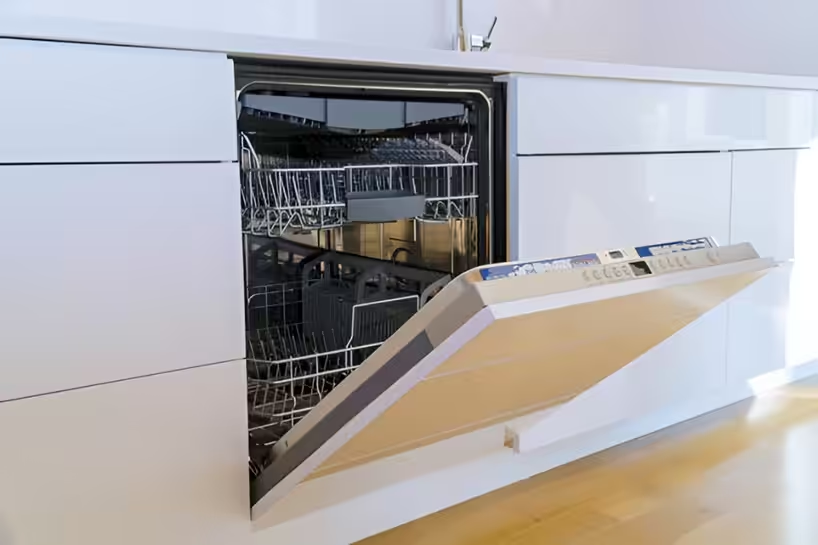
A premium dishwasher should clean dishes thoroughly with little effort. However, even high-end appliances can lose efficiency when parts become worn or blocked. At Krupo Appliance Repair, technicians often service luxury dishwashers that start leaving residue, cloudy glassware, or food particles. In most cases, the issue is caused by restricted water flow, poor maintenance, or internal components that need professional inspection.
Key Takeaways
- High-end dishwashers still require regular maintenance
- Water pressure and spray arm movement are critical for cleaning
- Blocked filters are a common cause of poor washing results
- Professional service helps prevent long-term appliance damage
Why Even Premium Dishwashers Can Lose Cleaning Power
Luxury dishwashers use advanced wash systems, multiple spray zones, and carefully controlled water pressure to deliver strong cleaning performance. However, these systems rely on several internal components working properly. If even one part becomes blocked or stops functioning correctly, the entire cleaning cycle can lose efficiency. Modern dishwashers, especially those with an energy star rating, are designed to use less water and energy, which means they depend heavily on precise water circulation.
According to a study, newer dishwashers operate with lower water usage, making proper internal flow essential for effective cleaning. When circulation or internal components become restricted, cleaning performance can decline quickly. If your appliance is not cleaning properly, professional service may be necessary.
Common reasons premium dishwashers lose cleaning power include:
- Clogged spray arms that prevent proper water distribution
- Blocked filters that trap food particles and restrict circulation
- Low water pressure is affecting wash performance
- Mineral buildup caused by hard water deposits
- Worn internal components that reduce water flow efficiency
Common Reasons Your Dishwasher Isn’t Cleaning Properly
Understanding the common reasons behind poor cleaning performance can help you troubleshoot and fix the problem quickly, saving you money and stress. Here’s a detailed look at why your high-end dishwasher may not be cleaning properly and what you can do about it.
1. Improper Loading
Even the best dishwasher can struggle if dishes are loaded incorrectly. Overcrowding, placing items in the wrong position, or blocking the spray arms can prevent water and detergent from reaching every surface.
Key loading mistakes include:
- Overcrowding – Too many plates, bowls, or cups prevent water from circulating.
- Blocking Spray Arms – Large pots or tall items may obstruct the spray, leaving some areas untouched.
- Nested Items – Bowls or cups stacked inside each other block water flow.
- Improper Orientation – Dishes facing the wrong way may not get fully cleaned.
Tip: Always consult your dishwasher’s manual for optimal loading patterns. Many high-end dishwashers have designated areas for knives, glasses, and pots that maximize cleaning efficiency.
2. Low Water Temperature
Dishwashers require hot water, typically between 120 and 150°F (49–66°C), to dissolve detergent effectively and remove grease. If your water heater is set too low, or if your dishwasher isn’t reaching the correct temperature, cleaning performance suffers.
Signs of low water temperature include:
- Greasy or oily residue on plates
- Cloudy or streaked glasses
- Detergent not fully dissolving
Solution: Check your water heater settings and ensure the dishwasher’s built-in heater (if available) is functioning. Some high-end models also have a “Sanitize” cycle that raises the water temperature for thorough cleaning.
3. Clogged or Dirty Filters
High-end dishwashers often feature self-cleaning filters or removable filters to trap food debris. When these filters get clogged, water flow is reduced, and dirt can redeposit on dishes.
Check your filters for:
- Food particles trapped in mesh screens
- Grease build-up
- Mineral deposits from hard water
Tip: Clean the filters regularly, at least once a month, or more often if you wash heavily soiled dishes. Some dishwashers also have indicators that alert you when the filter needs attention.
4. Detergent Issues
The type and amount of detergent can make a significant difference. Using too little, too much, or the wrong detergent can leave residue and prevent dishes from getting fully clean.
Common detergent-related problems include:
- Using Old or Damp Detergent – Clumps may not dissolve properly.
- Incorrect Dosage – Too little detergent won’t break down grease; too much can leave a sticky residue.
- Wrong Type – High-end dishwashers often work best with premium detergent tablets or pods.
Tip: Follow the manufacturer’s recommendations for detergent type and amount, and consider using a rinse aid to prevent spotting and cloudiness.
5. Blocked or Malfunctioning Spray Arms
The spray arms are the backbone of your dishwasher’s cleaning system, distributing water under high pressure to remove food particles. If they become clogged or cannot rotate freely, cleaning performance drops.
Check for:
- Mineral deposits or hard water build-up
- Bits of food lodged in spray holes
- Obstructions that prevent rotation
Solution: Remove and clean spray arms periodically. Soaking them in vinegar can dissolve mineral deposits, and a small brush or toothpick can clear blocked holes.
6. Hard Water and Mineral Build-Up
Hard water, which contains high levels of calcium and magnesium, can affect dishwasher performance over time. Mineral deposits can build up on spray arms, heating elements, and inside the dishwasher itself, leaving white spots or film on dishes.
Indicators of hard water problems:
- White spots on glasses and plates
- Dull or cloudy silverware
- Reduced water flow or heating efficiency
Solution: Use a dishwasher-safe water softener, or add a rinse aid formulated to combat mineral build-up. For particularly hard water areas, a whole-home water softening system may improve dishwasher performance.
7. Worn or Faulty Components
Even high-end dishwashers are not immune to wear and tear. Certain components may fail over time, affecting cleaning results.
Common issues include:
- Water Inlet Valve Problems – Prevents proper water flow into the machine.
- Faulty Heating Element – Prevents water from reaching optimal temperatures.
- Malfunctioning Pump – Reduces water pressure and spray arm rotation.
- Door Seal Leaks – Reduces internal pressure and allows heat to escape.
Tip: If you’ve ruled out all other factors, it may be time to call a professional technician to inspect your appliance. High-end dishwashers often have complex electronic systems that require expert attention.
8. Using the Wrong Cycle
High-end dishwashers often feature multiple wash cycles designed for specific types of loads, such as delicate glassware, heavily soiled pots, or mixed loads. Using the wrong cycle can result in incomplete cleaning or residue.
Considerations include:
- Heavy vs. Normal Cycle – Heavily soiled items need longer, hotter cycles.
- Delicate Cycles – May not provide enough water pressure for tough stains.
- Eco Cycles – Use less water and energy, but may not clean heavily soiled dishes effectively.
Tip: Read your dishwasher manual and match the cycle to your load for the best results. Some modern dishwashers even have auto-sensing technology to adjust water temperature, cycle duration, and spray patterns.
9. Regular Maintenance Prevents Problems
Preventative maintenance is key to ensuring your high-end dishwasher continues to perform optimally. Without regular cleaning and inspection, even premium models can fail to clean properly.
Maintenance tasks include:
- Cleaning filters and spray arms
- Running a dishwasher cleaner cycle monthly
- Checking for leaks or worn parts
- Inspecting detergent dispensers for clogs
- Wiping down seals and gaskets
High-end dishwashers often have maintenance reminders or self-cleaning options, which can prolong the life of your appliance.
Signs Your Dishwasher Needs Professional Service
Certain symptoms indicate that the appliance should be inspected by a technician. If you notice any of the following issues, it may be time to consider a dishwasher repair service to prevent further damage.
Look for signs such as:
- Dishes remaining dirty after multiple cycles
- Standing water inside the dishwasher
- Loud or unusual operating sounds
- Water is leaking from the appliance
- Dishwasher draining issue
Professional diagnostics can prevent further internal damage.
How Regular Maintenance Improves Dishwasher Performance
Routine maintenance helps maintain consistent cleaning results.
Recommended practices include:
- Cleaning dishwasher filters monthly
- Inspecting spray arms for debris
- Running periodic cleaning cycles
- Using high-quality detergent
These simple steps extend the lifespan of premium dishwashers.
Proper maintenance also reduces the risk of unexpected breakdowns.
Conclusion
High-end dishwashers are built for strong performance, but they still require proper maintenance. Problems like clogged spray arms, dirty filters, mineral buildup, or worn pumps can reduce cleaning efficiency. Addressing these issues early helps avoid costly repairs. If your dishwasher is not cleaning properly, contact us for expert diagnostics and dependable service. Their experienced technicians specialize in restoring high-end appliances to optimal performance.
FAQs:
Residue is often caused by clogged spray arms, blocked filters, or insufficient water temperature.
Most dishwasher filters should be cleaned at least once per month to maintain optimal washing performance.
Dishwasher water should generally reach about 120°F (49°C) for effective grease removal.
Cloudy glassware may result from hard water minerals or excessive detergent use.
Yes. Improper loading can block spray arms and prevent water from reaching all surfaces.
Professional service is recommended if dishes remain dirty after multiple cycles or if the appliance produces unusual noises or leaks.